Technology transfer and innovation are major forces behind the industrial sector’s expansion and competitiveness. The importance of innovation and technology transfer to the Latvian industrial sector is examined in this essay. It emphasizes their influence, advantages, and contributions to raising productivity, encouraging sustainable development, and driving economic progress.
Increasing effectiveness and productivity
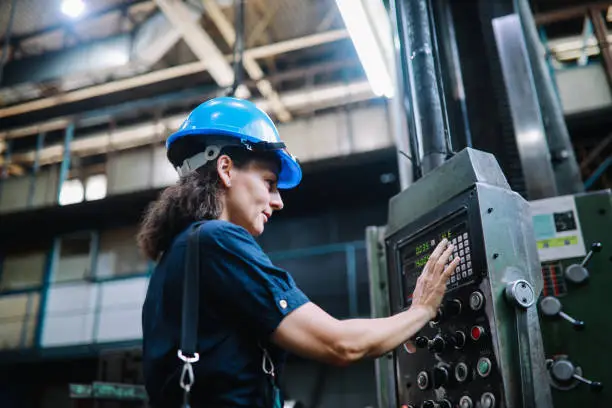
The Latvian industrial sector’s productivity and efficiency are directly impacted by innovation and technology transfer. Manufacturers may improve manufacturing processes, simplify operations, and automate duties by using cutting-edge technologies, procedures, and equipment. As a consequence, there is an increase in production, an improvement in quality, a decrease in prices, and an overall rise in efficiency.
Driving the development of technology
In Latvia’s industrial sector, technical gains are driven by creativity and technical transfer. Modern manufacturing procedures may be introduced by manufacturers by adopting cutting-edge technology like automation, robots, and the Internet of Things (IoT). As a result, they can develop high-end, complex goods, satisfy changing client needs, and keep up with industry trends throughout the world.
Research and development (R&D) stimulation
Research and development efforts are sparked by innovation and technical transfer in the Latvian industrial industry. Knowledge exchange and technical improvements are fostered by cooperative efforts between corporations, research institutes, and academics. These programs support R&D spending, promote an innovative culture, and promote the creation of innovative manufacturing methods, materials, and technologies.
Encouragement of industry-university cooperation
Collaboration between the industrial sector and universities or research institutes is facilitated via innovation and technical transfer. This partnership encourages information sharing, team research initiatives, and the sharing of technological know-how and skills. Manufacturers may obtain cutting-edge research discoveries and translate academic knowledge into useful applications by using the research skills of universities.
Increasing global competition
Latvian firms are more globally competitive thanks to innovation and technology transfer. Manufacturers may generate high-quality, value-added goods that satisfy international standards by using cutting-edge technicality and procedures. As a result, foreign investment, increased export prospects, and economic development are stimulated. This positions Latvian manufacturers as trustworthy and competitive participants in the global market.
Promotion of sustainable development
The Latvian manufacturing sector’s sustainable growth is aided by innovation and technology transfer. Environmentally friendly advanced tools and procedures may help manufacturers use fewer resources, produce less waste, and have a smaller carbon footprint. This supports environmentally and socially responsible production methods, fits with global sustainability objectives, and improves the standing of Latvian producers.
Supply chain improvement
In the Latvian industrial sector, supply chain operations are optimized via innovation and technology transfer. Manufacturers may improve supply chain visibility, inventory management, and logistics processes by incorporating technology like data analytics, the Internet of Things (IoT), and automation. This benefits both producers and their consumers by reducing lead times, lowering costs, and improving overall supply chain efficiency.
Collaboration and information exchange
Collaboration and information exchange among firms in Latvia are fostered via innovation and technical transfer. Manufacturers may share best practices, knowledge, and experiences on technical breakthroughs via industry associations, forums, and cooperative networks. This collaborative setting fosters idea-sharing and innovation dissemination while enhancing the industrial ecosystem as a whole.
Promoting sector-wide cooperation
Within Latvia’s industrial sector, cross-sector cooperation is facilitated via innovation and knowledge transfer. Manufacturers may explore new market prospects and broaden their product offerings by adopting innovative technology and working with companies from other industries. For instance, collaborations between manufacturing and software development firms may result in the development of novel software-integrated products or intelligent manufacturing techniques.
Personalization and customization
Latvian manufacturers may produce specialized and bespoke goods to satisfy particular consumer demands thanks to innovation and technology transfer. The development of technology like additive manufacturing (3D printing) and computer-aided design (CAD) has made it possible for manufacturers to quickly create unique or small-batch goods that are personalized to each customer’s desires. This capacity to customize products raises consumer happiness, encourages customer loyalty, and creates new niche markets.
Implementing circular economy principles
The implementation of circular economy principles within the Latvian industrial sector is aided by innovation and knowledge transfer. Recycling, remanufacturing, and resource optimization are examples of sustainable manufacturing practices that manufacturers may use to limit waste production, increase product longevity, and lessen their dependency on finite resources. This shift to a circular economy model encourages sustainability, lessens its negative effects on the environment, and generates new economic possibilities for green goods and services.
You can also find these articles helpful
Start a Computer Industry business in Latvia
Information and Communications Technology market overview in Latvia
Healthcare industry in Latvia